How laser engraving works.
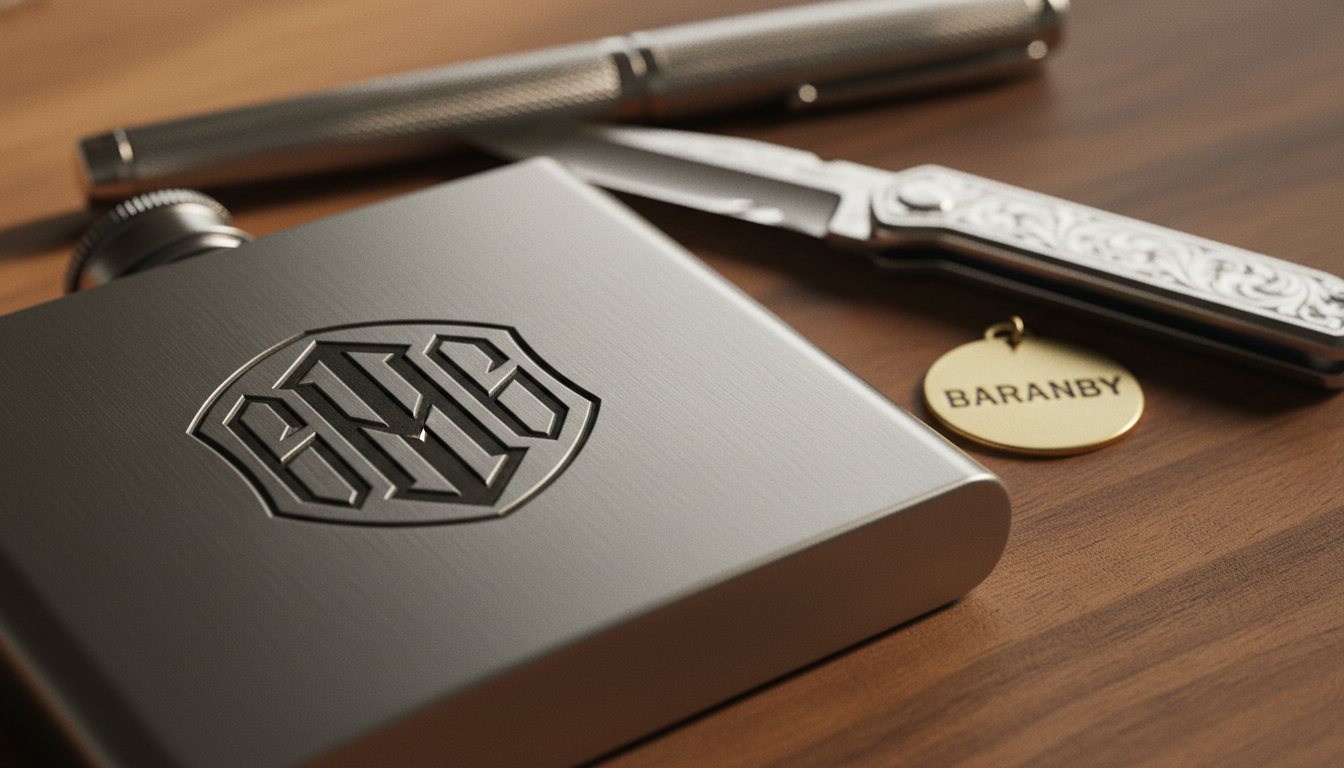
A laser engraver doesn't print, glue, or stamp. It changes the surface itself. The mark is in the material — permanent, dimensional, dishwasher-safe.
The hard part isn't running the machine — it's knowing the substrate. The wavelength that cleanly anneals 316 stainless will burn through a plated brass watch case. Picking the right tool, pulse, and pass count for each material is what separates engraving that lasts from engraving that fades.
Below is the catalog of materials currently worked on, what's possible on each, and where the line is drawn. If a material isn't on the list, ask — it'll be tested before quoting.
Materials handled.
| Material | What's possible |
|---|---|
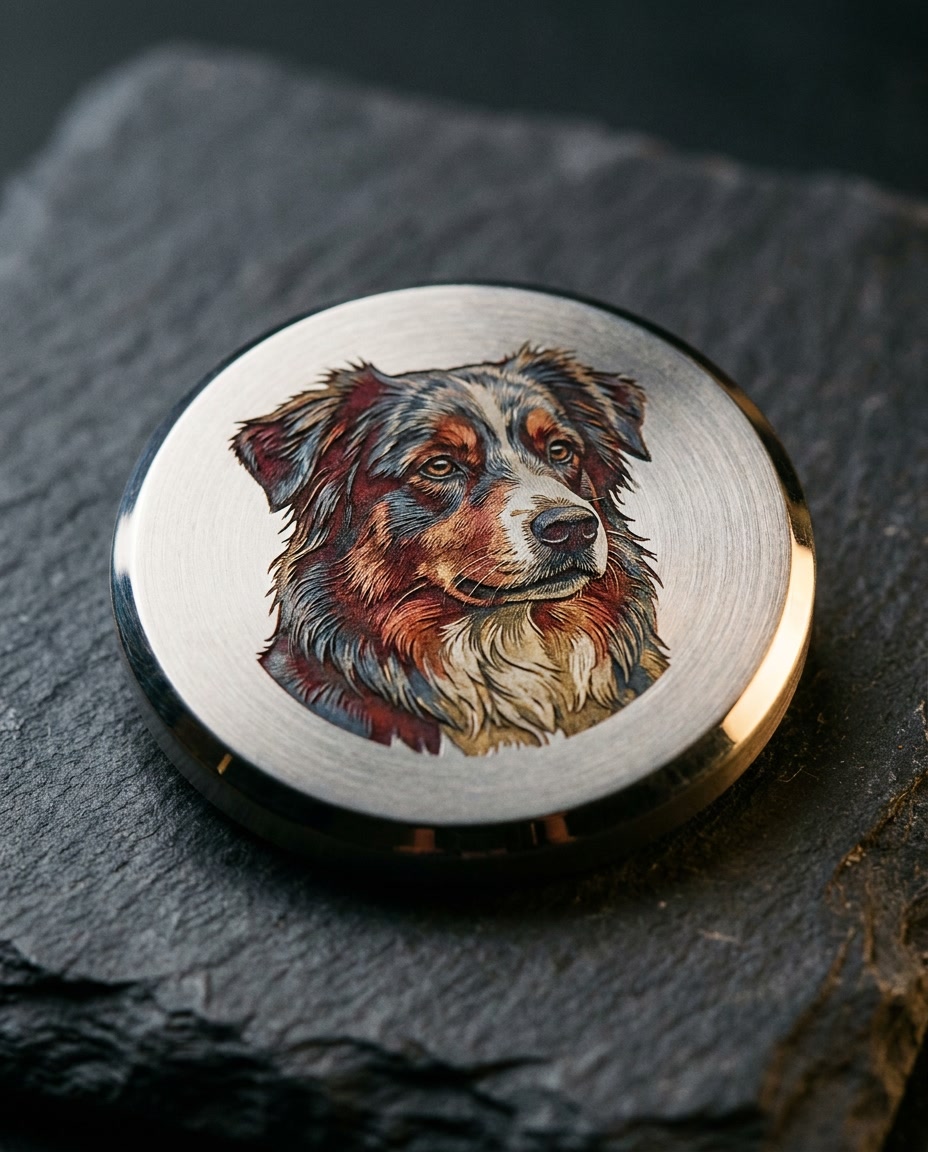
| Stainless steel (304, 316, 316L) | Black annealing, color marking, deep engraving with paint fill |
| Anodized aluminum | Clean white marking; deep true-black on clear anodize |
| Bare aluminum (6061, 5052) | Dark gray marking, surface engraving |
| Brass & bronze | Deep engraving with paint fill; surface darkening |
| Titanium | Color marking (16+ hues), black annealing, surface engraving |
| Carbon, tool, & mild steel | Black annealing, deep engraving |
| Cast iron (gray, ductile) | Deep annealing, surface engraving on prepped areas |
| Plated metals (chrome, nickel, gold-plate) | Mark the plating without burning through to substrate |
| Precious metals (sterling, 14k, plated) | Surface marking on alloys and plated pieces |
| Acrylic & plastics (ABS, polycarbonate, resin) | Crisp marking via UV laser — no burning, no melting |
| Urethane golf-ball covers | Permanent dark ablation marks — Titleist, Bridgestone, Callaway |
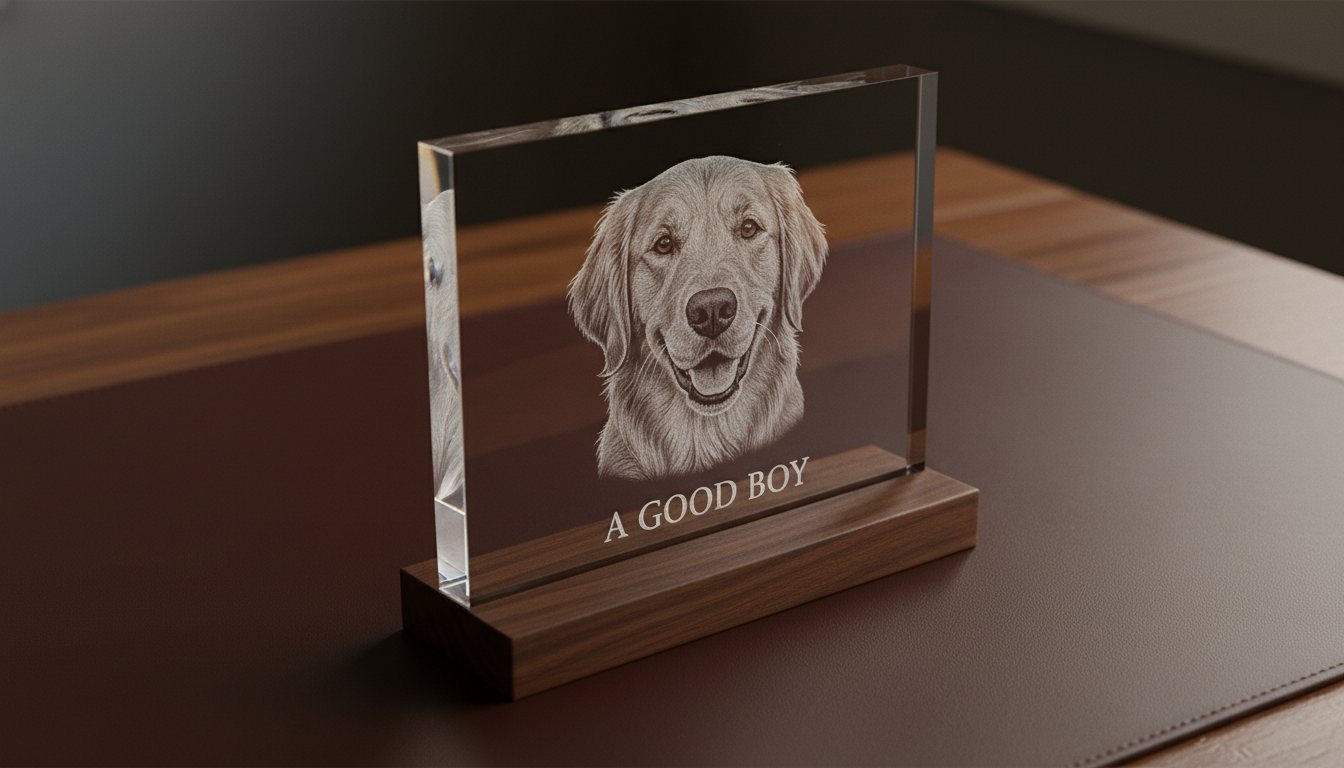
| Glass & ceramics | Surface frost marking; precision detail on awards and bottles |
| Coated & painted surfaces | Mark the coating without damaging the substrate |
| Wood & leather | Engraving and marking on hardwood, plywood, and leather goods |
Not seeing your material? Ask. If it's metal, plastic, glass, wood, leather, or coated — chances are it can be done.
Engrave or anneal.
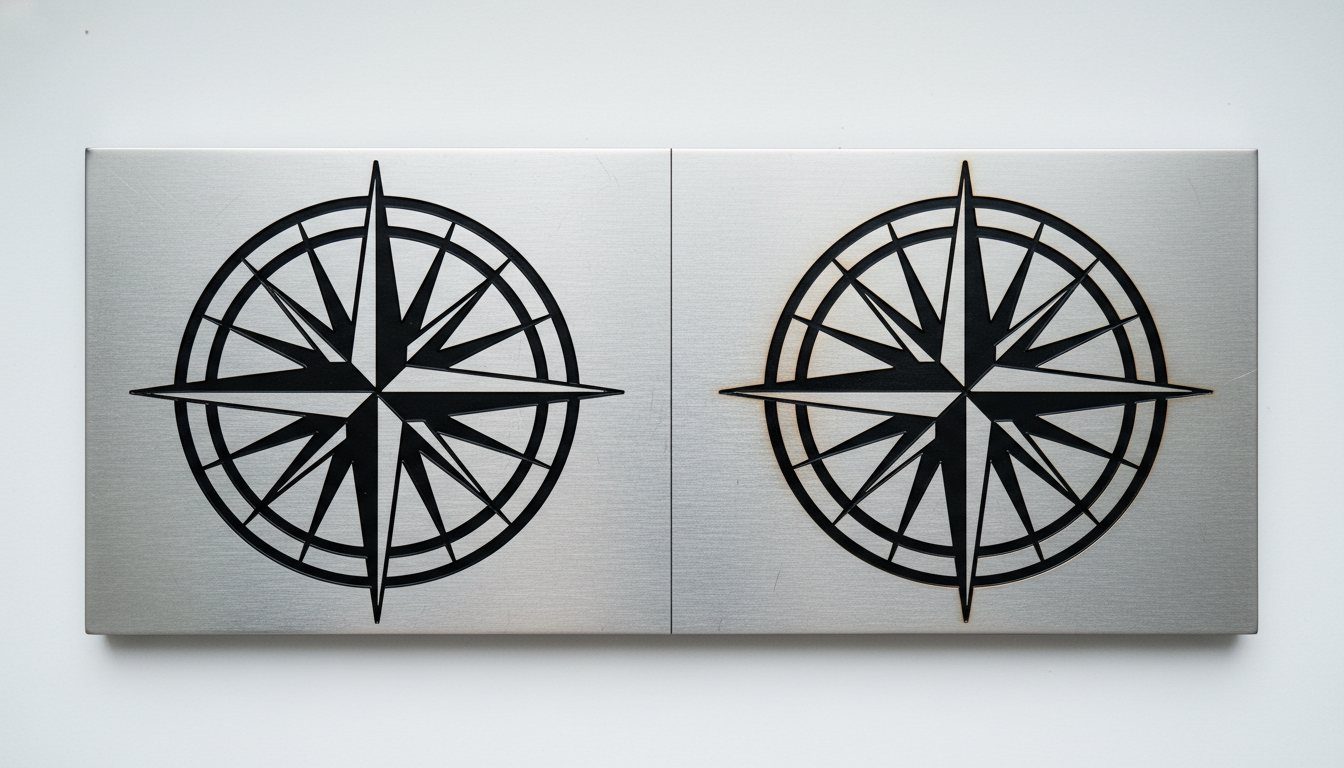
What's possible.
Surface marking
Permanent annealed or oxide marks without removing material. The cleanest, most corrosion-safe option for outdoor marine plates, medical-device traceability, and food-grade pieces.
Deep engraving
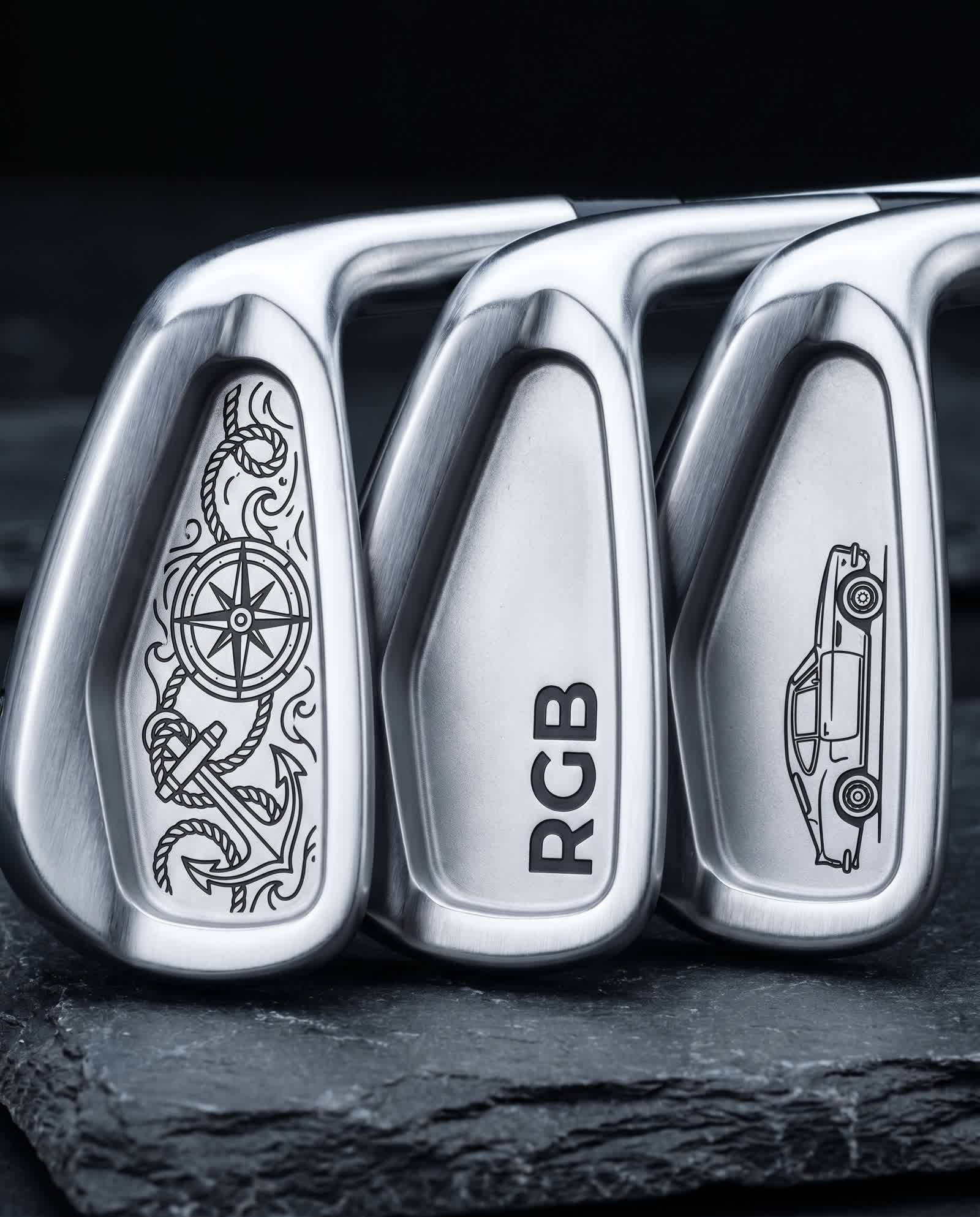
Tactile relief in metals, ideal for paint-fill work. Standard depth for nautical plaques, heritage nameplates, and tool identification. Multi-pass for ≥0.5 mm in steel and brass.
Color marking
A MOPA-only capability. Real interference colors in the metal itself on stainless and titanium — deep crimson, forest green, ocean blue, brass gold. Premium oxide colors, not printed ink.
"Cold" marking on plastics
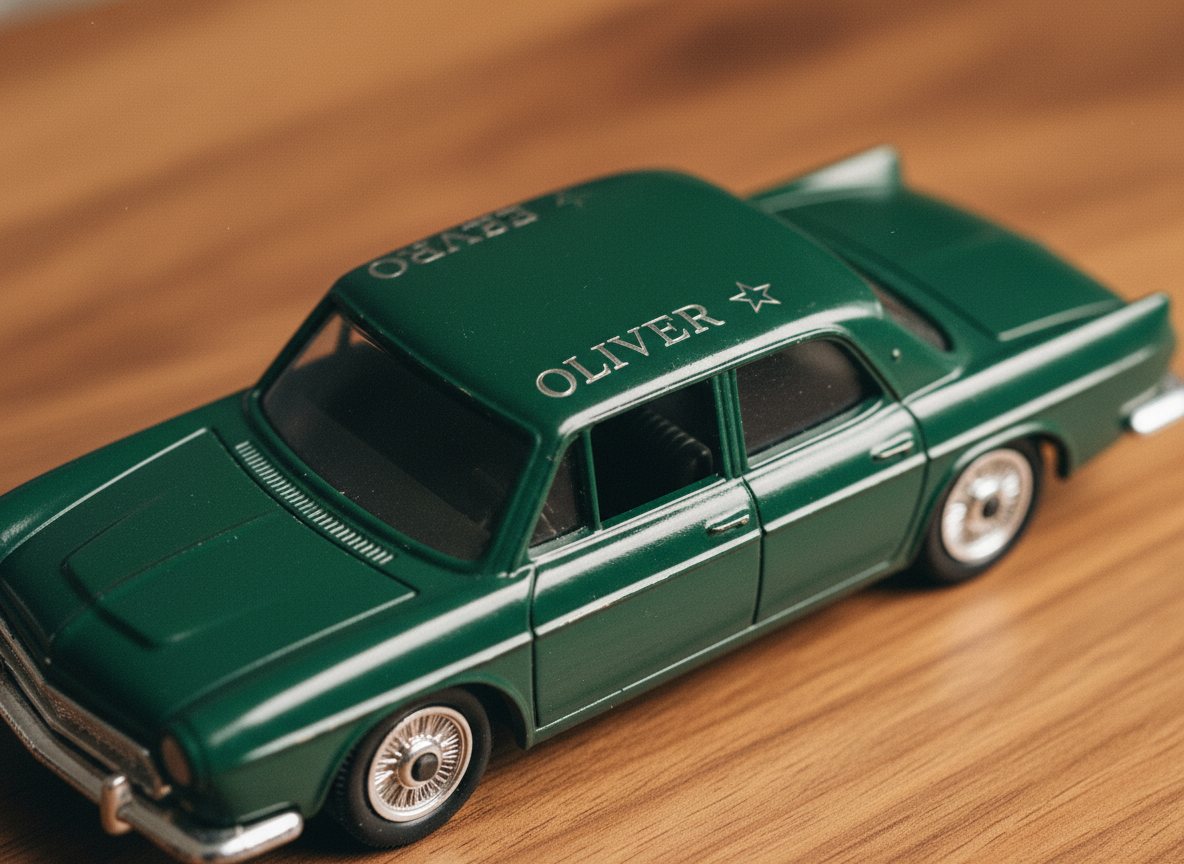
UV-laser ablation on plastics, golf balls, glass, and coatings. Minimal heat-affected zone — marks where a fiber laser would burn and a CO₂ would scorch.
By capability.
Bring the material.
Send a photo and a sentence — what's possible and a quote follow.